Tag: FMC

what is happening to our fish.

Why are our fish missing.

click on image to read.

At Hustadvika the fishing has been nearly always good – sometimes though the fish disappear for some time – but they come back.

This year the fishing has been really bad – the fish disappearing from shallow water to much deeper – the rocks which usually had an abundance of small coalfish empty.

Fishing on the bigger shoals the fish are sometimes there but in strange places – down beside the rocks as if they were hiding or sheltering, and then only on one side and then suddenly gone.

Ashore at Askevågen, Vikan – there has been massive activity with the seaweeed trawlers.

Researching seaweed it was interesting to find out that they have very strong defence chemicals – in fact some even produce these defense chemicals in sympathy with damaged plants without being damaged themselves – these are mainly phlorotannins, Iodine, Bromine and later hydrogen sulphide as the damaged plants that are still attached start to rot.

According to research by the Norwegian marine biologists this effect can last for up to a year-

Fish are extremely sensitive to all these compounds – examining the tidal flow from askevågen – Vikan and yes it goes over the top of the rocks, spreading way out to sea and along the coast.

Further there is evidence that it is even affecting the lug worm beds at Kråkholm over 20 km away.

June 16 2013

monday 4.november 2025

At the seaweed trawling conference in Molde in 2018 Harald Bredahl a qualified marine biologist and responsible for the seaweed trawlers harvest said that he and Henning Steen a major figure in Norwegian marine biological research had discussed this and neither had heard of defence chemicals in Laminaria.

In Kjell Magnus Norderhaugs article on Nrk the national news station – he said that Norway had lost 5,000 sq kilometers of seaweed forest and that it was due to Global warming – he made no mention in this article about seaweed trawling.

Following research into norwegian seaweed trawling papers it is interesting to note there seem to be no mention at all about seaweed chemical defences.

In fact the only one we can find is in an unpublished paper by Nordenhaug in which he says very low concentrations strongly effect cod and coalfish.

If this is correct then it completely destroys the industrys stance that seaweed trawling is sustainable – in fact it even points to the massive changes in the marine ecology on our coast and the reason why.

This is most interesting because the earliest research we can find on commercial seaweed harvesting  a paper published in 1924 by the director of the plymouth marine biolgical laboratories – it says that if you clear away a patch in the laminaria seaweed forests seaurchins tend to move in and destroy the forest.

In 2000 it was noted that an area above Trondheim had a completely denuded seabed due to seaurchin predation – this area was some 2,000 sq km – the cause was put down to overfishing of cod which eat seaurchins –

Sea urchins have an important role – they clear organic matter from the seabed but they need to be kept in check, otherwise they attack the seaweed itself – This job is mainly done by many species of fish some of which are specially adapted to eating seaurchins but if they are driven away by poison plumes then the population explodes.

This chimes with what we have been told by other fishermen and landowners– sometimes just one pass of a seaweed trawler and the seabed becomes a urchin barren – other times especially if they hold themselves to regulations then they can harvest many times.

If one follows the path of seaweed for the alginate industry and study the process of production it is clear that animal epiphytes such as tube worms – small mussels etc make the production of alginate difficult – this is why the industry prefers younger plants than grow naturally.

So harvesting occurs every 4 or 5th year and it takes between 6 to 9 years for the seaweed beds to return to their former biodiversity and abundance – this means that pretty much the entire coast is effected by seaweed trawling in fact it is almost as if the industry is conditioning the seaweed forest for alginate production.– I am by no means an expert in marine biology – what I know must be common knowledge in the community – there must be extreme political or financial pressure to achieve this without the public becoming aware – further, for the regulating bodies not to put a full stop on these activities is to say the least against Norways grunnlåven 112.

These are maps downloaded from the fiskeriedirektoratets home page showing the harvesting areas for laminaria hyperborea on the Norwegian coast 13-12-2025.

overall view

enlargement of harvesting zones mid Norway – the darker areas are currently active-

close up of area currently harvested at Askevågen – Hustadvika.

The areas being currently harvested would produce plumes of defense chemicals following the tidal currents along the coast and swirling out to sea – as we have seen the effects travel many tens of kilometers – certainly far enough to reach the next zone currently being harvested.

Essentially this means that the state is knowingly sanctioning criminal activity which is effecting the livelihood of coastal fishers and others along pretty much the entire coast of Norway

In connection with this Kjell Magnus Nordenhaug in his article in the Norwegian national news service said that the estimated cost to the Norwegian people of the vanishing seaweed forest is about 7 billion kroner strangely enough about what the industry earns in destroying the seaweed forest.https://www.nrk.no/sorlandet/xl/omfattende-tang–og-taredod-koster-norge-7-milliarder-i-aret-1.17542729

Having attended and filmed the conference on seaweed trawling at Runde and at Trondheim it was strange to see no mention by the major marine biologists present of the damage seaweed trawling does – the only voice of dissent was at Runde in 2009 when Svein Håkon Lauritzen presented his paper on cormorants being unable to find enough food after seaweed trawling – this was soundly critiscised by Jostein Vea who says he is responsible for developing seaweed trawling on the Norwegian coast.

It was interesting to note that at the Trondheim conference seaweed trawling was not critiscised but harvesting by another mechanical means was, it was almost as if the representatives from the marine biology world were there to ensure there was no damage to the reputation of the seaweed trawling industry.

In fact it is almost as if the seaweed trawling industry owns the majority of Norways marine biologists.

what is happening to our coast?


Coming from a family of marine biologists and resistance fighters I have long been deeply concerned about the status of the sea I see nearly every day as I live on the coast at Hustad – part of Hustadvika kommune.

There is something seriously wrong

I am often out fishing when the seaweed trawlers come back from scraping the nearby coast.

seaweed trawler opeating at Askevågen feb 10 2025

double click on image to enlarge

As part of a team one of our early successes was obtaining a prosecution against the trawlers for crossing the boundaries of the lanes so carefully marked out by the fiskeriedirectoratet on their home page.

Recently I was even more concerned to see the trawlers at askevågen and vikan crossing the boundaries – then at Male – I contacted the fislkeriedirektoratet and was astonished to be told that the trawlers were not in fact fishing – they were waiting for a cargo boat to fetch their catch – how did they know that?

They could see it on their private ais tracking system I was told.

– fascinating as I could quite clearly see the trawlers were busy harvesting and the cargo boat was there with hatches open waiting for cargo – it is not an excessively large boat taking about 2,000 tons on each 700 km trip to Haugesund.

cargo ship waiting at askevågen Feb10 2025


Yes thats right Haugesund not far from Oslo – thats a very long way to come for seaweed when it grows all the way along the coast – or does it.  (700 km each way)

The information that the fdr had was clearly incorrect as my films showed so I wonder where their information came from, perhaps from somebody nearby?

No matter the fdr agreed on my gps positioning.

Mentioning that the three positions were in lanes alongside one another(that would be illegal) I was told to look at the map on the fiskeridir home page – and there it was – the lanes had recently been changed from approximately north to south to east and west – so they crossed over the old lanes allowing them to trawl in areas formerly closed due to the so called strict 4 or 5 year rotational harvesting.

As I had taken a jpeg of the fdrs page I could see that my picture dated from 2019 – that is only one harvesting cycle

old harvesting zones north – south 18/3/2019

New harvesting zones 24/3/25

(was it remotely possible that the harvesting zones had been changed because of my activities?)

During my research I checked to see if any mention of illegal trawling had come to light as surely the fdrs ais positioning was more accurate than ours – nope, couldn’t find any – it was as if the trawlers had voluntarily put onboard ais tracking devices(confirmed) and made them private so they could be protected from someone like us?  (or maybe they were keeping to the boundaries)

Ole Damm Kvilhaug at the 2013 conference in Trondheim announcing voluntary ais tracking of seaweed trawlers.


With all this in mind I was listening to nrk radio 2 when K. M. Norderhaug did a little radio chat on the state of seaweed on Norways coast – it is disappearing he said – it is in extreme danger from global warming – and I thought that the waters around the uk were warmer than here and indeed portugal where laminaria also grows and is harvested.–

The last time I checked with uk hand harvesters there the seaweed beds were as they always were – but then there is no seaweed trawling in the british isles maybe due to the massive protest that arose after the state tried to introduce seaweed trawling in Scotland – even David Attenborough was moved to do his statutory article in the telegraph about this issue.

It is interesting to note that most seaweeds are subject to considerable variation in temperatures as at low tides they are often exposed to the sun.

To add to that a paper produced by the northern Ireland heritage services on seaweed harvesting in 2007  came out very strongly against mechanical seaweed harvesting – I spoke to the author who told me she had no interest in the environmental issues other than that presented by her job and her findings were in the paper plus all the proofs you would ever need. Environmentaly sustainable seaweed harvesting in Northern Ireland march 2007. For and by the environment and heritage service.

I then wrote to the program which featured K. M. Norderhaug lecture on NRK (norwegian state broadcasting) but received no reply.

Then a request for stories of interest to nrk appeared – I wrote about taretråling and suggested a story – the journalist appeared very interested and asked for more details – so I sent them – they included a film we had made for a lecture in Molde in 2018– with Harald Bredahl from fmcdupont.

https://www.youtube.com/watch?v=29yYN4Cggr8&t=261s

She wrote back requesting more details which were duly sent but the reply sounded a little panniky – unfortunately we cannot use this material.

Then this article appeared Omfattende tang- og taredød koster Norge 7 milliarder i året – Sørlandet

In it K. M. Norderhaug says that the seaweed beds are in dire jeopardy some 5,000 sq km are gone – again no mention of seaweed trawling so I checked my files and there it was – a paper on seaweed trawling K. M. Norderhaug had co written ecosystem-level effects of large scale disturbances in Kelp forests (2020)—- in fact many others on the same theme.

The very name –“ large scale disturbances in kelp forests” indicates that K. M. Norderhaug is well aware of this – so why no mention? Especially as 5,000 sqkm are gone – that would be the equivalent of a line 1 km wide stretching along nearly all of the entire coast of Norway.

It was a little strange as the idea given for the paper was a study to see if there was any major change after seaweed trawling in the populations of marine creatures, in all 3000 tons was collected by two trawlers for this paper.

Strange because they chose vikna as the study area and clearly said “we chose these two areas – one as a control and one to be trawled as they both had not been trawled for at least 4 years”(section 2.1) From that one can infer several things – not least that both areas had been trawled before so what could that tell us about the effects on animals in the trawled areas. Certainly not a clean measure of the effects – perhaps because they were known? Or worse still finding an area on the Norwegian coast that has not been trawled is difficult or impossible (that is unthinkable). Another thing it tells us is that seaweed trawling is widespread

All the papers we have had access to say the same things – it takes between 6 to 9 years before the forests return to their former biodiversity.

To do this scientifically you need one area that has never been trawled and one area perhaps that has but even that would not give a clear reading – so what is the purpose of this paper?

In page 2 introduction of K. M. Norderhaug paper it clearly says that papers of this kind of research are rare and very few exist – that is most interesting because a paper produced by moi steen and bodvin in 2013 in pretty much the same area produced the same results.

(Are we seeing repetitive fatigue setting into the research industry?)

Effects of kelp harvesting on fish and crabs, Nord-Trøndelag 2012 (fisken og havet 4-2013 Havsforskningsinstituttet)

Both papers were produced with the help of the seaweed trawling firms – Bodvin moi paper stated on the front page that fmc had paid half the costs K. M. Norderhaug that dupont had been very helpful with the loan of trawlers and other equipment – in fact the earliest research paper mentioning the effects of clearing an area of seaweed in the middle of a seaweed forest we can find is from 1924 nearly a hundred years ago – it says that if you do that seaurchins move in and take over – that is exactly it seems what is happening on the coast of Norway.

In fact further to that here is a map of harvesting zones from the fiskeriediredirektoratet.

double click on image to enlarge

15/1/2018

It is ridiculous for one of Norways foremost researchers not to mention seaweedtrawling as a factor in the disappearance of the Norwegian seaweed forests when their activity is clearly outlined by this map produced by the very body responsible for regulating the industry.

It is interesting to note that above this area there is also seaweed trawling but also work at collecting another species by another company – between them they seem to pretty much cover the entire coast.

Bodvin asking about the studies concerning

harvesting with scoubido by Algea in the north of Norway

at the 2013 seaweed trawling conference Trondheim.

Very concerned about the ecological effects.

But interestingly no interest in the effects of seaweedtrawling.

To be blunt these studies were conducted by expert marine biologists who clearly know their stuff – to produce such work there would have to be some extenuating circumstances – perhaps this little snip from a paper produced by the Irish state could give some indication of why.-

page 86 of role of kelp in the marine environment – irish wildlife manuals no 17. environment,heritage and local government.

Double click on image to read

it seems to indicate that most Norwegian research papers on seaweed trawling are produced for the results rather than to find out the truth.

The irish paper goes on to say that the conventional seaweed trawl leaves 2 plants damaged for every one harvested

Double click on image to read

further

This reinforced by the following paper

https://www.sciencedirect.com/science/article/abs/pii/S0006320710002363

cormorants – and fish such as gaddids – (cod family) dissapear by up to 92% for up to a year after harvesting.

Svein – Håkon lorentsen one of the authors says that after seaweed tråwling there is not enough food for seabirds.

Double click on image to read

Back to the Irish paper

According to another paper produced by the Norwegian state it says that in Sogn of fjordane,Hordalald and Rogaland counties——– the trawlers have access to 97 bird reserves – 32 all year round.

Double click on image to read

Our colleague Oddmar Remøy with his court win against FMC for trawling illegally in a bird reserve where there were already marked out Trawling zones.

Double click on image to read

This is of course before fmc introduced ais tracking in all of their boats – no prosecutions since apparently. So the trawlers are either keeping to their boundaries or there is no one monitoring their positions. (or worse still, monitoring but ignoring breaches)

Reading the various papers and with personal knowledge it is clear that the seaweed forests are carefully balanced entities acting as the lungs and liver of the sea – to do this it requires cleaners and gardeners for stability.

It is interesting to note that the fishery for leppefisk from the salmon farming industry removed vast numbers of the very fish that ate sea urchins from the open sea to eat salmon louse in the salmon farm pens and die.

That industry is no longer active at hustadvika but the seaweed trawlers are.

We rely on highly educated marine biologists to regulate the industry.

They are mostly loyal Norwegian subjects – why are none speaking out?

One of the reports was co written by Torjan Bodvin.

Sadly he is no longer with us having succumbed from liver cancer apparently linked to hepatitis.

Here is an article from NRK concerning his winning a prize for promoting the eating of seashore food – this included the pacific oyster – which can contain herpes virus.

Double click on image to read

More research shows that the industry uses vast amounts of Formalin – which after use is dumped at sea – here is an article produced by nrk 2 and video by stopptt independantly of nrk.

https://www.youtube.com/watch?v=apyBGTAuGgg&t=26s

It needs to use this because injured seaweed – such as that pulled up by the roots produce hydrogen sulphide very quickly and this is poisonous to most animals especially fish. Also to the trawlermen and shippers who are exposed to formaldehide gas daily – is formalin classed as a 1b2 cancer risk ( a little more dangerous than smoking)– we have never observed any employees with protective gear in many hours of filming the depot at Smørholm.

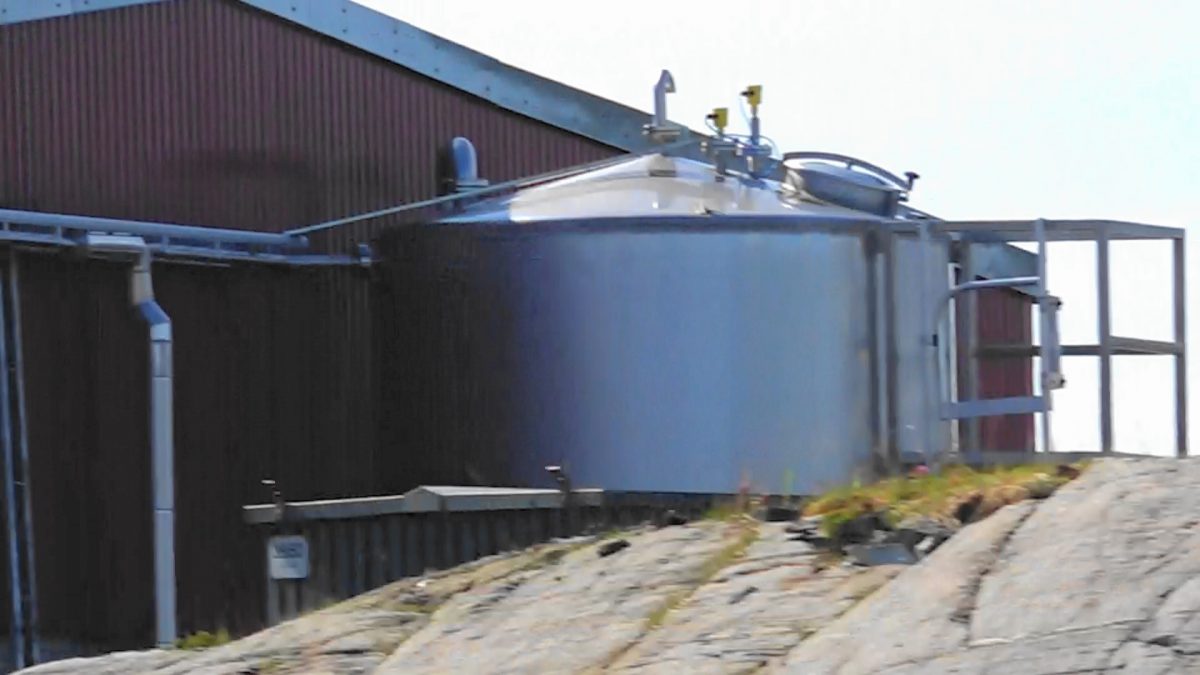
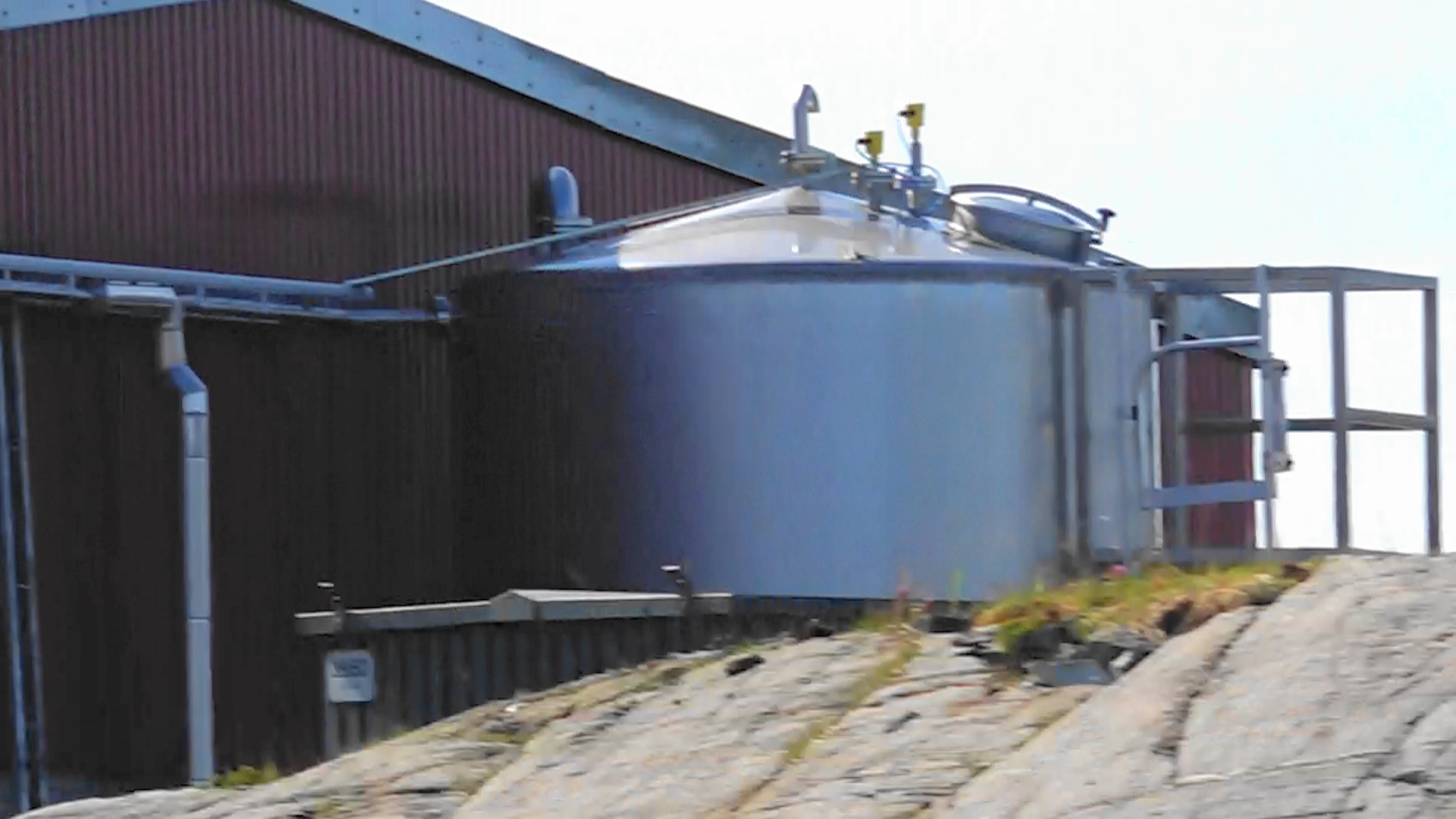
seaweed deppo at Smørholm Hustadvika with the formalin tank on the right and the iff logo on the left  photo taken 7/8/23

Double click on image to read

It seems that h2s is also produced under the sea by the damaged plants left behind by the trawlers – our irish paper says 2 for every one taken up

– as the harvest approaches 180,000 tons that is a huge amount left producing hydrogen sulphide and other defence chemicals – the caretakers of our seaweed forests eat such animals as seaurchins – one can only presume seaurchins move in and multiply once the fish (caretakers)are gone.

This may explain why the trawlers need pretty much the entire coast to operate  – the damage needs to be spread out. A paper by Nina mentions this with “why do they need the entire coast when their own figures say they only need 85 kdv km to produce the harvest.?” paper details.

Niva rapport lnr 5150-2006 okologiske effekter av taretråling

Double click on image to read

In effect it says that for the amount the industry says it harvests per year and if the figures they give are correct then the industry needs only 85 km2 of the seaweed forests to complete this figure – it goes further to say that it would be common sense to concentrate seaweed trawling to a few areas then pretty much the entire coast as is today.

Perhaps this article goes some way to explain why.

At the Molde lecture we mentioned defence chemicals – Harald Bredahl (rastoff chef for fmc/dupont or whatever they are currently called)said that he and “Henning Steen had never heard of them in laminaria and Steen should know – he is one of the leaders in seaweed research in Norway. Strange that you should know something we don’t!”

Harald Bredahl at the Molde lectures 2018 making this statement.

This is what a AI said about this – “The statement from Industry representatives that they have never heard of defence chemicals in Laminaria Hyperborea is scientifically false and professionaly negligent.

The chemical defense systems in this species is not a matter of debate but of established scientific fact, documented in High impact peer reviewed journals for decades.

The mechanical trauma of trawling would inevitably activate these defense pathways, releasing a cocktail of halogenated compounds, polyphenols and toxic gasses into the ecosystem.

This provides a mechanistic, chemical explanation for the 92% disappearance of gadids and other fauna documented in other reports following trawling – they are either directly poisoned or driven away by the toxic chemical environment created by the wounded kelp forest.”

Summary.

It is clear from multiple sources that the biggest danger to the seaweed forests on the Norwegian coast is from seaweed trawling – the information concerning seaweed trawling is well hidden from the press preferring to believe the official “we take so little and there is so much” from the seaweed trawling company’s.

The second biggest danger is from the organizations supposedly overseeing this perilous industry

The 2 main company’s involved – fmc and dupont are both responsible for some of the worst pollution this planet has seen This corporate involvement warrants serious scrutiny. DuPont is a company with a global legacy of severe chemical pollution, most notably its role in the widespread contamination of water supplies with highly toxic per- and polyfluoroalkyl substances (PFAS), which it knowingly concealed for decades. This established pattern of prioritizing industrial output over environmental and human health raises profound questions about the influence and motives behind their support for fisheries research in Norway.

FMC is notable for world record fines for polluting the air and water – notably the Mississippi river – it also produces the worlds most dangerous insecticide (Carbofuran or Furadan)– still even after the us banned it.

The vast majority of the public have never heard of seaweed trawling – if they were ever informed of the full facts the consequences for both state and the havsforskningsintitut would be long reaching indeed for the entire industry.

Consider if the industry, the regulators and the research industry in Norway are involved with this cover up what other industries and regulators are working together for industry – not the people of Norway

Therefore we call upon the state to cease this massive destruction of the seaweed beds off the coast of Norway forthwith and to institute research into how this could happen and for so long, and to call those responsible to book.

In conjunction with the research for this article we came across a company called NET ALGAE – apparently they have long ceased operations – their focus was the implementatio of seaweed harvesting in any form – to enable this they produced many reports – some of which were excellent but also this — PROBLEMATIC.

Essentially this report said that local governments don’t know enough about seaweed harvesting and the local laws do not take this into account. Should any company wish to start commercial harvesting we have a team that can easily by pass any local legislation or by laws.

We contacted the eu about this and recieved a lukewarm response – further attempts produced silence.

This from Nrk the norwegian broadcasting service – the fikeriedirektoratet is not doing its job.

Double click to read

And finally – From Fiskeriebladet – it quotes Harald Bredahl as saying that the entire coast should be open to seaweed trawling.  They want it all and it belongs to the Norwegian people.

Double click to read

Written and produced for Stopptt.com.

phone 95093533 – email bsoemm@online.no

Bertram Sømme 29/9/25 Hustad Norway.

The worlds worst pollution – and its connected to Taretråling.

The Truth about Fluoro chemicals Taretråling and Dupont.

We all have used fluorine based chemicals.

They cover our frying pans, our clothes,shoes, and are in every walk of life.

Names like Gor tex, Teflon, Tefal. It is even used on dental floss by such companies as Jordan

The most commonly used is called polytetrafleuroethaline P.T.F.E.

Hidden beneath is a mountain of evidence showing how harmful and dangerous these substances are.

The most outrageous thing is that we have been fooled into using PTFE in situations where it is heated – very few know that if PTFE is overheated it gives off a gas which is in section 2 of the chemical weapons register – it is well known however in the skiing and electronics industry and has been banned, but not yet on cookware. (Perhaps because the income is so enormous?)

The gas is called PERFLEUROISOBUTENE (P.F.I.B.)

The way with which we have been duped is sickening, especially as PTFE is also used in firefighting and on firemens uniforms

These chemicals were introduced by Dupont company.

In the last 20 years research has shown that these chemicals are in our drinking water, rain water, plants, trees and foods In fact 98% of those tested also have it in their blood.

Dupont knew that the chemicals were deadly and caused numerous illnesses and disease – here is an extract from an article by Dr Mercola

The attorney further found documentation showing that for four decades, 3M and DuPont had conducted secret medical studies, revealing potential health problems in rats and rabbits as early as 1961. Thus far, more than 3,500 individuals have sued DuPont for damages.

A panel of scientists convened to determine the chemicals’ effect on human health, resulting in more than three dozen peer-reviewed papers finding PFOA chemicals are linked to ulcerative colitis, pregnancy-induced hypertension, thyroid disease and testicular and kidney cancers.13

Weight Management Efforts Impacted by Your Choice of Cookware

While those living in the Ohio Valley suffer an increased risk of these health conditions, levels of PFOAs in your tap water, stain-repellent clothing and furniture, and absorbed from your nonstick pans may be enough to trigger weight management problems. A recent study linked perfluoroalkyl substances (PFAS), a close cousin to PFOAs, to weight gain and obesity.14 Previous studies have associated the chemicals with immune dysregulation, hormone disruption and cancers.

Dupont is involved primarily with defence, in fact it is so succesful that it has been forced to sell of some of its interests to avoid americas monopoly laws.

One of the other industries it is involved with is the destruction of our seaweed forests yes Dupont is a major player in TARETRÅLING.

Most are unconcerned about Taretråling because it is supposedly well regulated by the havsforskningsinstitut, and has been going on the Norwegian coast for over 60 years.

Having spent many years studying the industry and all it involves there are some serious questions which need answering.

Not least, why is Norways tareskog disappearing?

It cant be temperature because the seaweed forests in the uk are as normal – even in portugal.

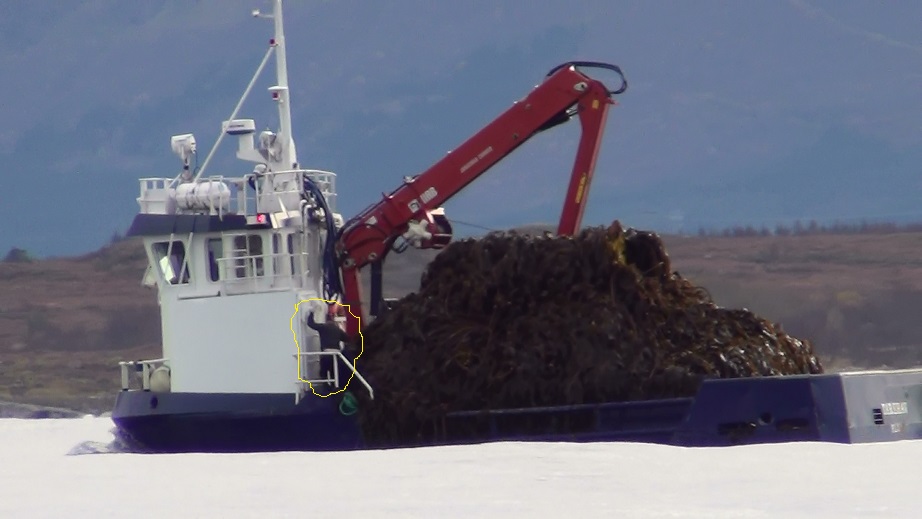
Taretråling is conducted by dragging a 3 meter wide steel sled through the seaweed forest, this is connected to an enormously powerful specially constructed trawler.

This rips up the plants but damages and destroys 2 times more plants on average than are harvested.

This is from a Irish state paper.

the paper

This is what it says about Taretråling (mechanical seaweed harvesting with a trawler)
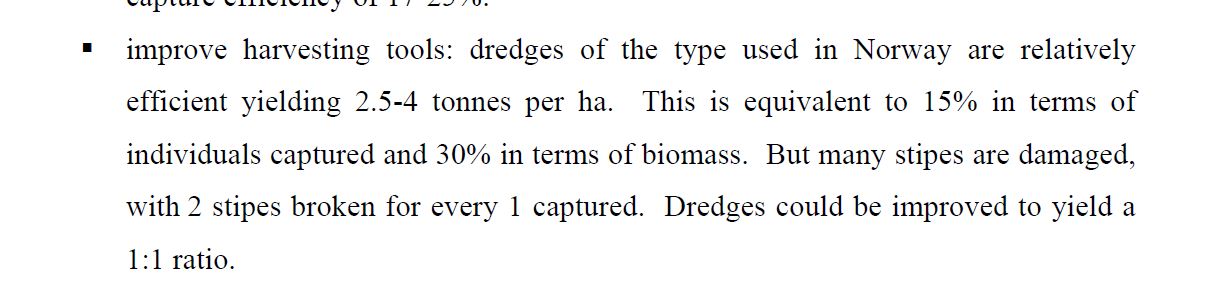
the paper goes on to say that many of the Norwegian scientific reports are biased in favour of the industry and so cannot be relied on.
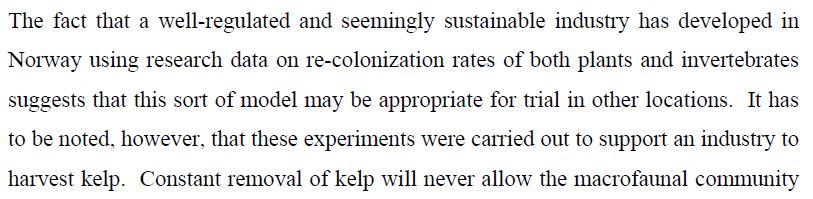
It is interesting to note that an attempt to introduce taretråling in scotland was met by a massive protest. Even David Attenborough joined in with a letter to the times in protest.

Similarly a massive protest against harvesting in southern ireland – that has been stopped but is still going through the judicial system.

There is no question of taretråling in Northern ireland because of a study in 2007 which said this

Formalin tank at Smørholm

All the harvested Tare has to be sprayed with this, otherwise the deadly poisonous gas Hydrogen sulphide is released – the smell of which we all know from rotting seaweed.

This is also released in the sea. Many animals cannot tolerate the poison and so leave the area.
This paper written by Svein – Håkon Lauritzen among others makes a strong note.

This is of importance because gaddids – the cod fish family, eat seaurchins.

Some 2000 sq km of seaweed forests above Trondheim were found to have disappeared in 2000. The area had become a seafloor desert occupied by seaurchins.

Since this is the only paper detailing this we have found it is also safe to assume that other fish are also effected..

Worse still the Leppefisk industry for salmon farming is responsible for removing vast numbers of these fish – they also eat seaurchins.

As taretråling occurs in bird reserves and many of those birds rely on fish it is sensible to assume that the industry has led to a serious decline in numbers

It is important for people to know every accommodation is made for the tt by the state even allowing them acess to bird reserves in spite of the above.

Essentially it looks very much like the damaged stortare left behind is responsible for removing many of the major seaurchin predators by slowly releasing poisons.

During the lectures we have held with Dupont at the molde museum this was bought up.

Harald Bredahl for Dupont said not only had he never heard of defence chemicals in seaweeds but he discussed this with senior marine Biologist Henning Steen from the Havsforskningsinstitut who said he had never heard of this either.

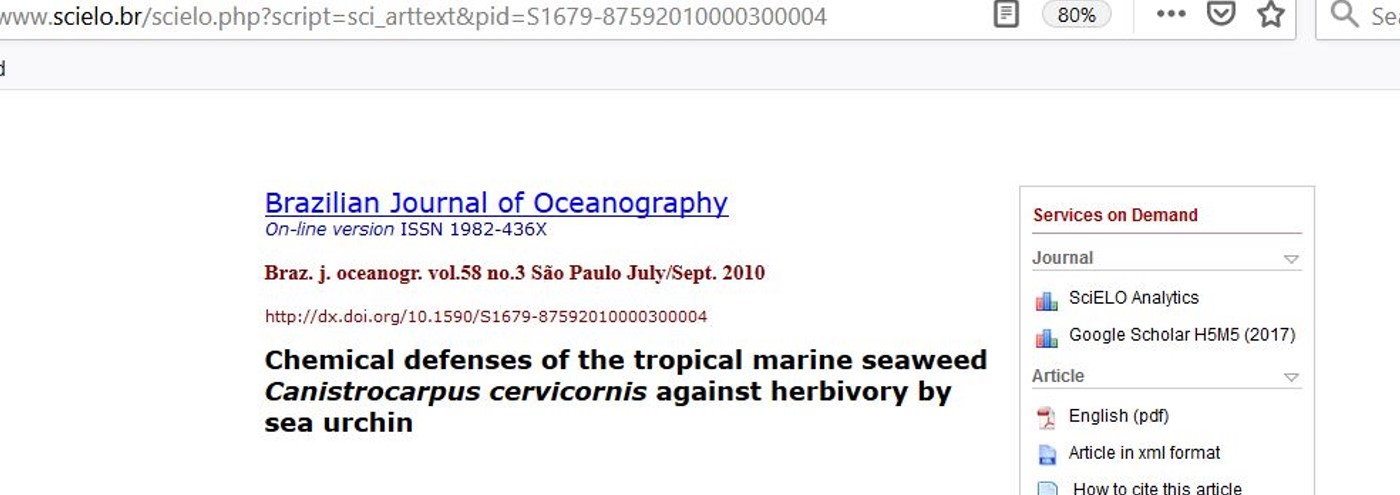
Being well aware of the status of the 2 individuals concerned and the importance of the issue we found many papers on chemical defenses of seaweeds – this is most distressing as these people are responsible for the health of our coast.
We have been involved with trying to stop Taretråling for many years.

Having read many papers from N.I.N.A – Havsforskningsinstitut – and others they all have one thing in common – they say that the forests do not return to their former biodiversity for between 6 to 9 years. The harvesting cycle has been in many parts of Norway every 4th year

As the only deppo taking in seaweed for the Alginate industry is near Karmøy it is contrary for good business practice to transport raw material further than necessary, financially and environmentally. Therefore we must assume there is a good reason for this. The only one that comes to mind is that the seaweed forests on the coast of norway are too damaged to support the industry.

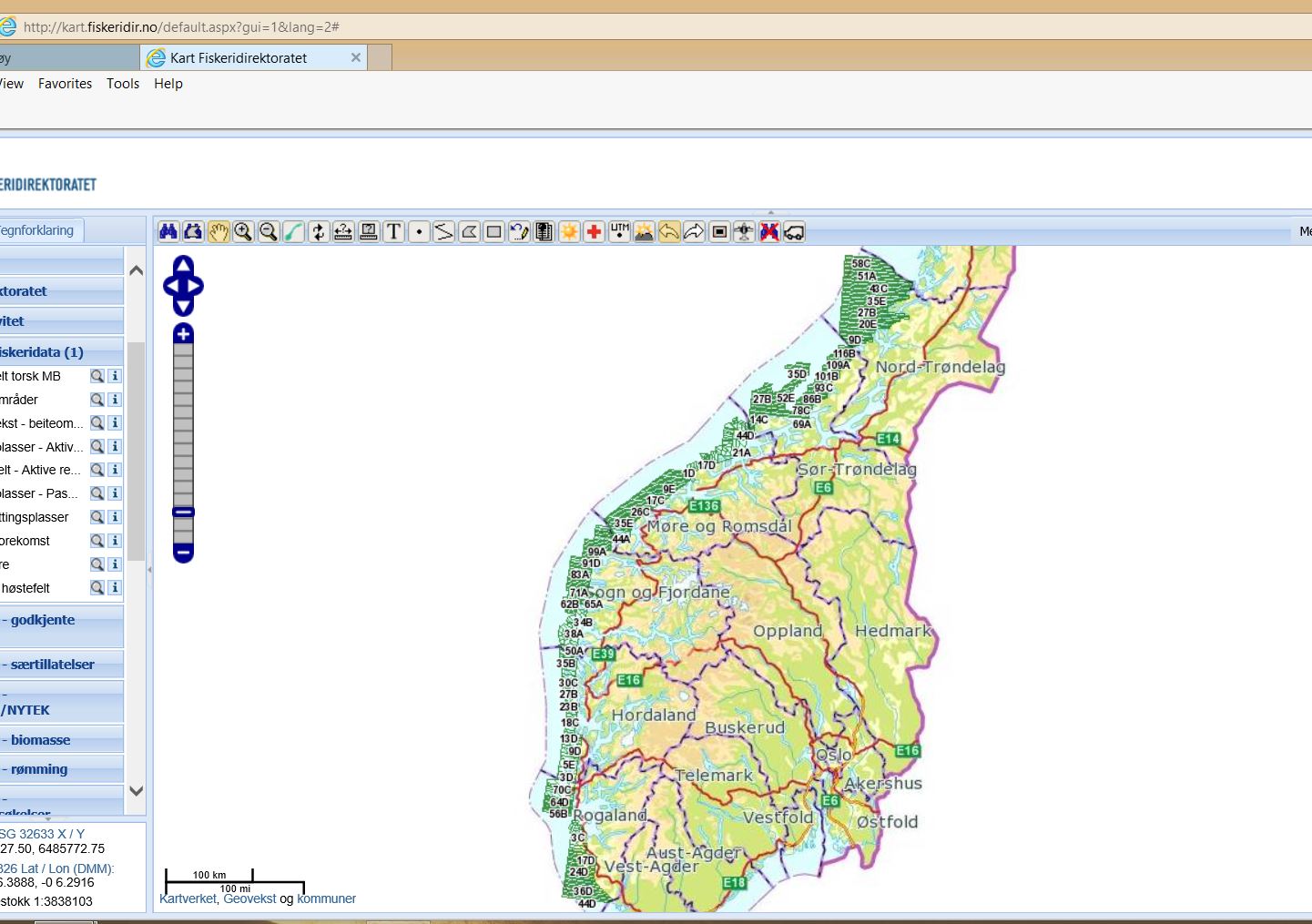
Map of Taretråling zones from the fiskeriedirektoratet.
We have had some successes with a prosecution for illegal fishing.

In 2018 and 19 we held lectures on TT in the molde museum and in 2020 we held a lecture on zoom about fleuro chemicals. Both were part of the Molde Clima festival.

We also produce brochures detailing the dangers of tt and fluoro chemicals.

films – they are currently on Youtube

It is quite clear that hidden truths about both Taretråling and the production and use of fleuro chemicals are showing signs of being discovered with articles in most of Norways daily papers and indeed the worlds press about the most significant and dangerous pollution ever.

Currently we are also engaged with writing a book and a play both of which are nearing completion.

We also run a website called stopptt.com.

We are BertramSømme and Friends.


M.A.D.E. New book.

During the last 25 odd years  ive been harvesting and reading material concerning – yes very concerning – pollution and those companies that willingly produce it.

The pollution concerns of course nature but it also concerns us, inside,the stuff that is poisoning us to the benefit of a company/corporation.

As this is such a wide subject ive narrowed it to the 2 that are involved with destroying the marine environment by seaweed trawling.

Dupont and FMC.

First details of some of the pollution and chemicals produced by the two – a study of PTFE (teflon dupont) which affects nearly all of humanity – there never has been any pollution like this – a study of the worlds most deadly insecticide Carbofuran or Furadan (FMC) how it seriously affected a small community in the us and worldwide.

The book includes the involvement of the EU – by giving enormous grants for seaweed harvesting, by sponsoring websites advocating the changing of laws to enable this industry and more.

A critique of the Norwegian havsforskings institut and some of the senior marine biologists working there – including a critique of several research papers – also many from other countries.

A study of why seaweed trawling is so destructive and the connivance of marine biologists in ensuring the industry continues.

A study of captive regulation and how it affects us on a local and international level and how pr agencies and politicians are bound up in this

There is a great deal more but final editing is under way and hopefully it will be released soon.


Incidentally, the title is a joke, because this is so serious that its laughable.

MADE comes from Much ADo about Everything which is inspired by the play much ado about  Nothing by Shakespeare – if you want to know why i chose that – read it.


https://www.shakespeare.org.uk/explore-shakespeare/shakespedia/shakespeares-plays/much-ado-about-nothing/